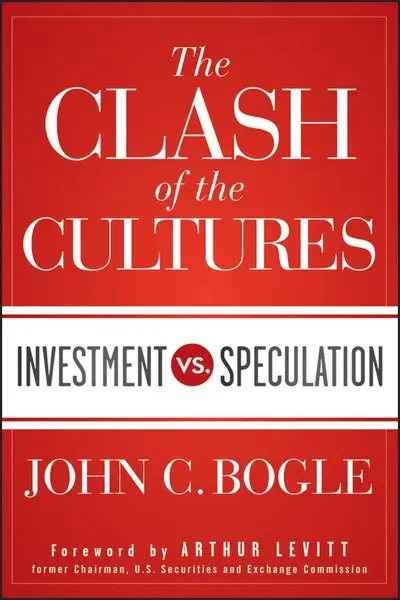
 巴菲特推荐
他们怎么说
- 巴菲特2012 · 股东信
推荐。
原书目录
91 项
- Foreword
- About This Book
- Chapter 1: The Clash of the Cultures
- The Rise of Speculation
- High-Frequency Trading
- Mission Aborted
- Futures and Derivatives
- The Wall Street Casino
- How Speculation Overwhelmed Investment
- The Decline in Unit Transaction Costs
- Hedge Fund Managers and Other Speculators
- We Can’t Say We Weren’t Warned
- The Wisdom of John Maynard Keynes
- Speculation Will Crowd Out Investment
- Fixing the Social Contract
- Compensation Issues
- Creating Value versus Subtracting Value
- Restoring Balance in Our Investment Sector
- Tax Policies and Financial Transactions
- Develop Limits on Leverage, Transparency for Derivatives, and Stricter Punishments for Financial Crimes
- The Rules of the Game
- The Goal: Stewardship Capitalism
- Chapter 2: The Double-Agency Society and the Happy Conspiracy
- The Development of the Double-Agency Society
- Examining the Conflict
- Agency Costs and Managerial Behavior
- The Ownership Revolution
- Changing Leadership
- Renters and Owners
- The Creation of Corporate Value
- Time Horizons and the Sources of Investment Return
- “Short-Termism” and Managed Earnings
- The Failure of the Gatekeepers
- Conclusion
- Chapter 3: The Silence of the Funds
- Why Mutual Funds Are Passive Participants in Corporate Governance
- The Picture Begins to Change
- Reporting Proxy Votes
- Mobilizing Institutional Investors
- The Rights and Responsibilities of Ownership
- Acting Like Owners
- “The Proof of the Pudding”
- Executive Compensation
- How Did It Happen?
- The Ratchet Effect
- What’s to Be Done?
- Consider the Cost of Capital
- Slight Progress on Reform
- Corporate Political Contributions
- “The Procedures of Corporate Democracy”
- Chapter 4: The “Mutual” Fund Culture—Stewardship Gives Way to Salesmanship
- An Industry Changes
- Costs and Performance
- The Conglomeratization of the Mutual Fund Industry
- Chapter 5: Are Fund Managers True Fiduciaries?
- Enter Attorney General Spitzer
- Where Should Fund Investors Turn?
- A Challenge to Judgment
- The Stewardship Quotient
- Is the Fox in the Henhouse?
- Chapter 6: The Index Fund
- Part I
- Part II
- The Future of Index Funds
- Chapter 7: America’s Retirement System
- An Introductory Note
- The Inadequacy of Our National Savings
- “The Seven Deadly Sins”
- Our Retirement System Today
- The New Pension Plan
- What’s to Be Done?
- What Would an Ideal Retirement Plan System Look Like?
- Chapter 8: The Rise, the Fall, and the Renaissance of Wellington Fund
- Introduction
- Part I
- Part II
- Part III
- Part IV
- Chapter 9: Ten Simple Rules for Investors and a Warning for Speculators
- Summing Up
- Buy Broad Market Index Funds
- Wellington Fund and the Index Fund
- Reversion to the Mean (RTM) is a Virtual Certainty
- Ten Simple Rules for Investment Success
- Appendix I: Performance Ranking of Major Mutual Fund Managers–March 2012
- Appendix II: Annual Performance of Common Stock Funds versus S&P 500, 1945–1975
- Appendix III: Growth in Index Funds—Number and Assets, 1976–2012
- Appendix IV: Wellington Fund Record, 1929–2012
- Appendix V: Wellington Fund Equity Ratio and Risk Exposure (Beta), 1929–2012
- Appendix VI: Wellington Fund Performance versus Average Balanced Fund, 1929–2012
- Appendix VII: Wellington Fund Expense Ratios, 1966–2011
封面和目录取自原书,中文简介据原书前言和导言整理;推荐原话出处见“他们怎么说”。这本书还没开讲,开讲后会在这里更新。